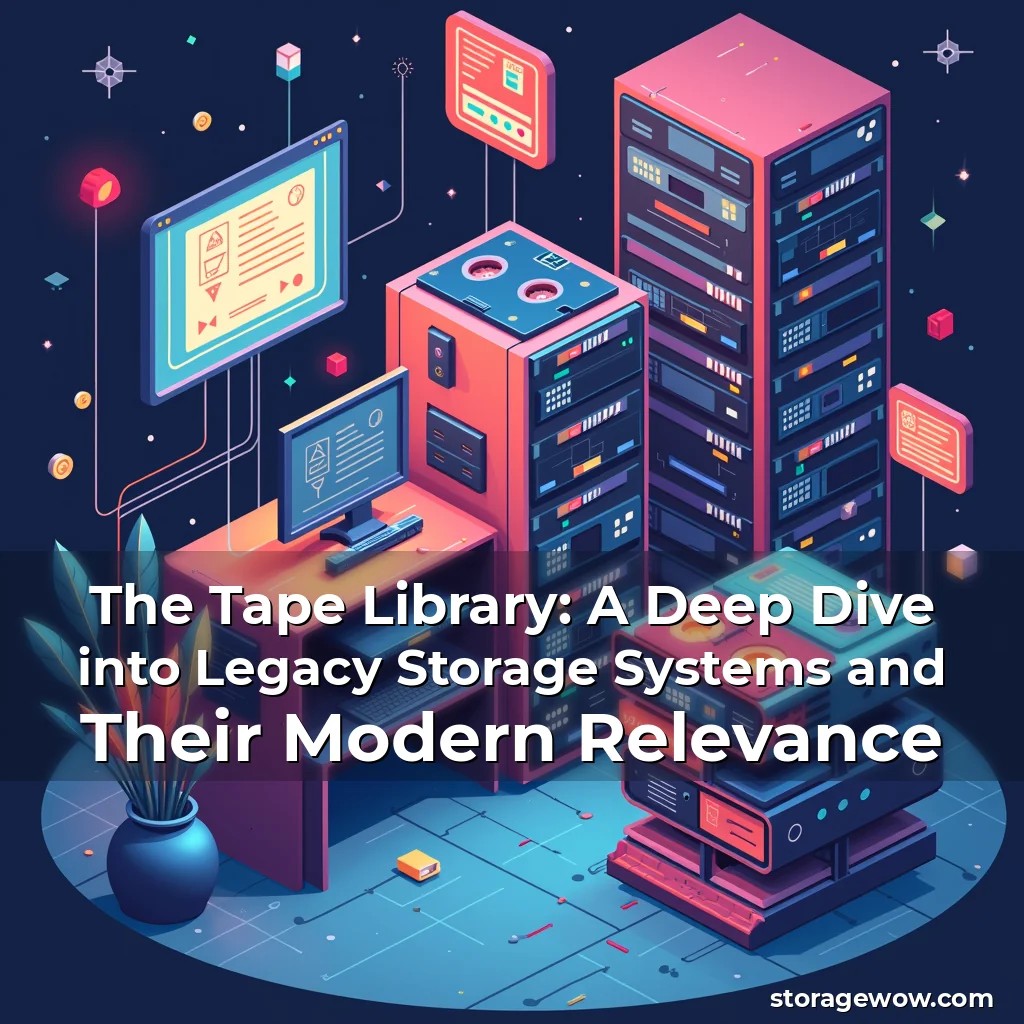
The Tape Library: A Deep Dive into Legacy Storage Systems and Their Modern Relevance
In an era dominated by digital transformation and cloud computing, the concept of a tape library might seem outdated. However, these systems remain critical components in enterprise data centers, archival storage solutions, and disaster recovery frameworks. Far from being relics of the past, modern tape libraries combine legacy reliability with cutting-edge automation.
Tape libraries have evolved significantly since their inception in the mid-20th century. What began as simple magnetic tapes used for early computer punch cards has transformed into highly sophisticated robotic systems capable of managing thousands of tapes simultaneously. This evolution ensures that while newer technologies emerge, tape-based storage still holds its ground due to cost-effectiveness, energy efficiency, and long-term data integrity.
The Evolution of Tape Libraries
The journey of tape libraries dates back to the 1950s when magnetic tape was first introduced as a medium for storing computer data. Early implementations were manual, requiring operators to physically load and unload tapes onto drives. These processes were time-consuming but represented the most advanced data storage technology available at the time.
By the late 1960s, advancements in automation led to the development of the first semi-automatic tape libraries. These systems featured mechanical arms that could retrieve tapes from shelves and insert them into drive slots without human intervention. While limited compared to today’s standards, they marked a significant step toward reducing labor costs associated with data management.
The 1980s saw further innovation with the introduction of cartridge-based tapes such as DAT (Digital Audio Tape) and LTO (Linear Tape Open). These formats offered greater capacity and reliability than earlier reel-to-reel tapes, making them ideal for backup operations across various industries. As organizations grew, so did the need for larger-scale storage solutions.
Modern tape libraries now integrate robotics, barcoding, and intelligent software algorithms to manage vast archives efficiently. With capacities reaching petabytes and automated retrieval times measured in seconds rather than minutes, contemporary systems rival even high-end disk arrays in terms of performance and scalability.
- Robotic Mechanisms: Advanced robotic arms enable rapid access to individual tapes within massive storage racks, eliminating the need for manual handling.
- Data Integrity Features: Built-in error correction mechanisms ensure data remains intact over extended periods, crucial for long-term archival needs.
- Energy Efficiency: Compared to spinning hard drives, tape media consumes minimal power when not actively accessed, contributing to lower operational costs.
Understanding Key Components of a Tape Library System
A typical tape library consists of several interdependent parts working together seamlessly. At its core lies the robotic arm, responsible for moving tapes between storage slots and drives. This component is often equipped with sensors and precision actuators ensuring accurate placement each time.
Complementing the robotic mechanism are storage cartridges, which house the actual data stored on magnetic tape. These come in different formats including LTO, DLT (Digital Linear Tapes), and SDLT (Super Digital Linear Tapes). Each format offers distinct advantages regarding speed, capacity, and compatibility with existing infrastructure.
Beyond physical hardware, software interfaces play a vital role in managing complex workflows within tape libraries. These programs allow administrators to catalog contents, schedule backups, monitor health status remotely, and perform diagnostics automatically whenever issues arise.
Finally, there’s also consideration given towards environmental controls. Since magnetic tapes can degrade under extreme temperatures or humidity levels, many modern facilities incorporate climate-controlled environments specifically designed for optimal preservation conditions.
Storage Cartridge Formats and Their Specifications
Different types of storage cartridges cater to diverse requirements based upon factors like required throughput rates, expected lifespan, and budget constraints. For example, LTO tapes currently offer capacities up to 20TB native with compression capabilities extending beyond 45TB depending on implementation specifics.
LTO technology continues evolving through successive generations—LTO-8 being the latest version released recently—which promises higher speeds alongside improved durability characteristics suitable for mission-critical applications where data loss cannot be tolerated.
DLT tapes provide alternative options particularly favored among smaller businesses seeking affordable yet reliable alternatives without sacrificing too much on performance metrics. They typically feature slightly lesser capacities than LTO counterparts but maintain good balance between price points versus features provided.
SDLT variants represent another tier offering enhanced write speeds along with better resistance against physical damage during transport or installation phases—an essential trait considering frequent movements inherent in multi-cartridge setups involving numerous units managed concurrently via central control units.
Advantages of Implementing a Tape Library Solution
One primary benefit stemming from adopting tape libraries revolves around cost-efficiency. Unlike solid-state drives or traditional HDDs whose prices continue rising steadily despite improvements made annually, tapes generally present more economical choices especially concerning long term retention strategies covering decades-long spans.
Moreover, maintaining extensive volumes using solely disk-based approaches tends consume considerable amounts electricity thereby increasing utility bills substantially over prolonged usage cycles whereas passive nature exhibited by magnetic tapes contributes directly towards minimizing overall expenditure related primarily to cooling requirements inside server rooms housing multiple machines simultaneously engaged in read/write activities.
An additional advantage pertains specifically towards data longevity; unlike flash memory cells prone deterioration after repeated writes/reads cycles nor conventional disks susceptible corrosion risks following exposure moisture air pollutants etc., properly maintained tapes possess potential lasting well over thirty years assuming consistent adherence guidelines outlined manufacturers manuals relating appropriate storage practices.
This characteristic makes them exceptionally suited candidates fulfilling regulatory compliance mandates imposed governmental agencies mandating minimum retention durations certain categories sensitive information regardless technological shifts occurring globally affecting preferred mediums utilized transmitting securing records thereof.
Use Cases Where Tape Libraries Excel
Tape libraries find particular relevance in sectors demanding robust archival structures coupled stringent security measures enforced throughout lifecycle data assets handled daily operations. Industries spanning healthcare, finance, legal services prominently leverage such methodologies safeguard confidential patient files financial statements litigation documents respectively.
Healthcare institutions rely heavily upon electronic medical records necessitating secure storage procedures meeting HIPAA regulations governing privacy protections afforded individuals undergoing treatment care pathways established entities providing aforementioned services ensuring non-disclosure agreements upheld strictly across board departments involved processing storing retrieving pertinent information timely manner without compromising integrity confidentiality assurance expected stakeholders clientele alike.
Finance sector similarly benefits utilizing similar principles protecting client portfolios transaction histories fraud detection reports forensic audits conducted regularly scrutinizing anomalies patterns potentially indicative illicit behaviors needing investigation promptly addressed mitigating reputational damage monetary losses incurred otherwise would result breaches occurred improperly secured platforms hosting vulnerable databases accessible unauthorized persons exploiting weaknesses vulnerabilities present system designs flawed oversight protocols implemented initially deployment stages.
Legal firms require meticulous documentation trails evidencing authenticity validity claims presented courts arbitrating disputes settling matters amicably outside judicial proceedings. Maintaining tamper-proof copies preserved securely within certified vaults operated professional custodians specializing archive management services aligns perfectly objectives sought attorneys representing parties seeking favorable outcomes favorably aligned interests pursued diligently through rigorous preparation presentation arguments substantiated verifiable sources corroborated independently third-party verification processes employed validating accuracy assertions proffered testimony evidence submitted during hearings deliberations rendered final judgments issued accordingly.
Challenges Associated With Tape Library Implementation
Despite myriad benefits conferred employing tape libraries, challenges persist warranting careful evaluation prior deciding adoption path forward. One notable concern involves complexity surrounding initial setup configuration. Unlike plug-and-play devices commonplace consumer electronics markets, deploying full-fledged enterprise-grade installations demands thorough planning coordination among IT teams vendors consultants ensuring seamless integration current infrastructures already deployed within organizational premises.
Furthermore, training personnel proficiently operating administering maintenance routines becomes imperative investment undertaken successfully leveraging investments made acquiring equipment subsequently. Without adequate training resources allocated upfront, chances encountering downtime disruptions diminished productivity compromised significantly impacting business continuity plans relied upon consistently delivering promised service level agreements defined contracts signed clients partners expecting consistent availability responsiveness throughout engagement durations.
Another hurdle stems from potential delays encountered retrieving specific datasets compared instantaneous access granted SSDs NVMe drives prevalent nowadays mainstream computing ecosystems. Although modern tape libraries boast impressive seek times ranging milliseconds rather previous minute-level increments observed decade ago, latency differences remain perceptible especially scenarios requiring real-time analytics performed frequently queried subsets residing deeper layers nested hierarchically organized repositories constructed intentionally structured facilitate efficient indexing navigation facilitating swift location targeted entries desired users initiating searches queries directed toward specified locations designated folders directories indexed systematically categorized logically grouped according thematic classifications assisting locators pinpoint exact positions containing requested items expeditiously avoiding unnecessary traversal redundant pathways leading dead ends consuming extra resources unnecessarily prolonging resolution process excessively.
To mitigate impact caused above mentioned drawbacks, hybrid models combining both disk-tape architectures prove viable solutions balancing trade-offs existent either extremes. By strategically placing frequently accessed files closer proximity disk subsystems while relegating less commonly referenced materials relegated remote storage tiers governed policies dictated automated migration schedules executed periodically background tasks executed unobtrusively end-users remaining unaware underlying mechanics transpiring behind scenes ensuring uninterrupted user experience devoid interruptions inconveniences experienced otherwise relying purely single medium exclusively.
Evolving Trends Shaping Future Directions Of Tape Technology
As we move deeper into the digital age, innovations continue reshaping how we perceive and utilize tape libraries. Recent developments highlight increased focus areas encompassing faster transfer speeds, heightened encryption standards, and smarter AI-driven management tools aimed at optimizing utilization rates maximizing return-on-investment figures achieved enterprises allocating budgets toward implementing such enhancements.
Amongst emerging trends stands out notably higher data density achievements enabled through nanotechnology breakthroughs allowing tighter packing arrangements molecules composing magnetic coatings applied surfaces enhancing surface area effectively translating into substantial increases usable space per unit volume occupied by respective media elements contained therein.
Additionally, improved encryption techniques now embedded directly into tape formats themselves eliminate necessity external decryption modules previously necessary decrypting protected payloads before rendering viewable contents decipherable plain text legible human eyes understanding meaning conveyed messages encoded digitally transmitted electronically stored magnetically recorded sequentially linear fashion preserving sequential order originally captured inputs processed outputs generated computational engines executing instructions supplied operators interacting interface panels controlling flow operations occurring internally invisible observers unless explicitly configured monitor events occur real-time telemetry feeds streamed continuously dashboard displays summarizing key indicators performance metrics tracked analyzed periodically generating trend analyses identifying bottlenecks inefficiencies remediable through adjustments configurations tweaks initiated manually or autonomously depending predefined thresholds exceeded flagged alerts triggered prompting corrective actions taken swiftly preventing escalation situations detrimental system stability resilience.
Last but certainly not least, AI integration presents exciting possibilities transforming traditionally static inventory listings dynamic intelligence sources predicting future demand patterns anticipating replacement cycles scheduling preventive maintenance routines proactively instead waiting breakdown incidents triggering reactive responses causing inevitable production halts costly repairs replacements required thereafter disrupting normal workflow sequences planned ahead requiring contingency planning buffer zones allocated resources earmarked emergency scenarios unforeseen circumstances arising unexpectedly complicating operational logistics necessitating flexible adaptive strategies accommodating unpredictable variables influencing decision-making processes undertaken managers executives steering organizations toward successful trajectories navigating turbulent market landscapes fraught uncertainty volatility ever-changing technological paradigms challenging conventional wisdom established norms redefining best practices adopted industry-wide benchmarks set forth regulatory bodies overseeing compliance standards upheld universally accepted ethical codes guiding conduct professionals entrusted stewardship entrusted guardianship entrusted custodianship safeguarding precious knowledge treasures accumulated painstaking efforts countless hours dedicated relentless pursuit excellence mastery domain expertise cultivated lifelong learning journeys embarked passionate enthusiasts committed advancing field continually pushing boundaries discovering new frontiers expanding horizons limitless potential awaiting exploration discovery.
Choosing the Right Tape Library for Your Needs
Selecting an appropriate tape library requires evaluating several parameters tailored precisely towards unique organizational objectives. First and foremost, consider required storage capacity. Determine approximate volume expectations projecting growth trajectories accurately estimating quantities needed accommodate anticipated expansion phases ensuring sufficient headroom exists avoiding premature saturation forcing upgrades sooner than intended timelines projected.
Next factor entails assessing performance requirements. Identify frequency intensity access patterns defining workload profiles distinguishing between cold storage hot storage scenarios appropriately selecting models optimized respective use cases. High-performance variants suit environments demanding quick retrieval times conversely bulk archival purposes justify opting slower albeit cheaper alternatives prioritizing economy scale economies realized through mass purchases negotiated bulk discounts leveraged bargaining powers exerted during procurement negotiations.
Compatibility considerations shouldn’t overlooked either; ensure chosen solution interoperates smoothly existing ecosystems comprising heterogeneous mixtures disparate vendors products varying generations aging hardware possibly incompatible newer software suites deployed recently aiming streamline operations enhance productivity reduce friction impediments hindering smooth transitions seamless integrations facilitated middleware connectors APIs developed bridging gaps discrepancies encountered connecting siloed islands isolated segments fragmented networks lacking centralized governance structures coordinating cross-functional collaborations fostering synergy collaboration promoting holistic approach addressing multifaceted challenges confronted multidisciplinary teams tackling intricate problems requiring interdisciplinary expertise converging diverse skill sets converging disparate disciplines harmonizing conflicting priorities reconciling divergent viewpoints achieving consensus alignment mutual understanding shared goals accomplished collectively rather individually pursuing self-interest undermining collective welfare jeopardizing broader vision strategic direction charted leadership steering organization toward sustainable growth prosperity enduring success measured not only financial gains but intangible rewards derived satisfaction fulfillment realized through meaningful contributions impactful changes positively affecting communities societies benefiting indirectly direct beneficiaries experiencing tangible improvements quality life enhanced living standards elevated through innovative solutions devised imaginative minds driven passion purpose fueled determination overcoming obstacles surmounting adversity triumphing challenges ultimately culminating victories celebrated milestones achieved along way.
Lastly, don’t forget about support and maintenance. Opt for providers offering comprehensive support packages inclusive warranties extended lifespans guaranteed protection against defects malfunctions faulty components replaced repaired promptly minimizing downtime losses suffered due unexpected failures compromising reliability trustworthiness demanded critical infrastructure supporting vital functions indispensable daily operations sustaining livelihoods empowering progress propelling civilization forward relentlessly marching march time.
Conclusion
Tape libraries may appear antiquated amidst rapid advancements witnessed recent years however their enduring appeal rooted unwavering commitment ensuring safekeeping priceless digital heritage entrusted custodianship future generations inherit legacy preserved meticulously maintained rigorously adhering highest standards professionalism excellence benchmarked global leaders pioneering innovations revolutionizing fields shaping tomorrow’s landscape today’s decisions influencing trajectories unfolding narratives written history unfolding chapters composed present moments building foundations upon which subsequent epochs will stand erect firmly grounded bedrock solidified through persistent endeavors ceaseless striving perfection perpetual quest knowledge enlightenment.
Whether you’re managing an enterprise data center, conducting research requiring long-term archiving, or exploring backup solutions for personal projects, understanding the intricacies of tape libraries equips you to make informed decisions. Evaluate your needs carefully, stay abreast of evolving technologies, and remember—the right tape library isn’t just about storage—it’s about strategy, security, and sustainability in the ever-evolving world of data management.
“`html
The Tape Library: A Deep Dive into Legacy Storage Systems and Their Modern Relevance
In an era dominated by digital transformation and cloud computing, the concept of a tape library might seem outdated. However, these systems remain critical components in enterprise data centers, archival storage solutions, and disaster recovery frameworks. Far from being relics of the past, modern tape libraries combine legacy reliability with cutting-edge automation.
Tape libraries have evolved significantly since their inception in the mid-20th century. What began as simple magnetic tapes used for early computer punch cards has transformed into highly sophisticated robotic systems capable of managing thousands of tapes simultaneously. This evolution ensures that while newer technologies emerge, tape-based storage still holds its ground due to cost-effectiveness, energy efficiency, and long-term data integrity.
The Evolution of Tape Libraries
The journey of tape libraries dates back to the 1950s when magnetic tape was first introduced as a medium for storing computer data. Early implementations were manual, requiring operators to physically load and unload tapes onto drives. These processes were time-consuming but represented the most advanced data storage technology available at the time.
By the late 1960s, advancements in automation led to the development of the first semi-automatic tape libraries. These systems featured mechanical arms that could retrieve tapes from shelves and insert them into drive slots without human intervention. While limited compared to today’s standards, they marked a significant step toward reducing labor costs associated with data management.
The 1980s saw further innovation with the introduction of cartridge-based tapes such as DAT (Digital Audio Tape) and LTO (Linear Tape Open). These formats offered greater capacity and reliability than earlier reel-to-reel tapes, making them ideal for backup operations across various industries. As organizations grew, so did the need for larger-scale storage solutions.
Modern tape libraries now integrate robotics, barcoding, and intelligent software algorithms to manage vast archives efficiently. With capacities reaching petabytes and automated retrieval times measured in seconds rather than minutes, contemporary systems rival even high-end disk arrays in terms of performance and scalability.
- Robotic Mechanisms: Advanced robotic arms enable rapid access to individual tapes within massive storage racks, eliminating the need for manual handling.
- Data Integrity Features: Built-in error correction mechanisms ensure data remains intact over extended periods, crucial for long-term archival needs.
- Energy Efficiency: Compared to spinning hard drives, tape media consumes minimal power when not actively accessed, contributing to lower operational costs.
Understanding Key Components of a Tape Library System
A typical tape library consists of several interdependent parts working together seamlessly. At its core lies the robotic arm, responsible for moving tapes between storage slots and drives. This component is often equipped with sensors and precision actuators ensuring accurate placement each time.
Complementing the robotic mechanism are storage cartridges, which house the actual data stored on magnetic tape. These come in different formats including LTO, DLT (Digital Linear Tapes), and SDLT (Super Digital Linear Tapes). Each format offers distinct advantages regarding speed, capacity, and compatibility with existing infrastructure.
Beyond physical hardware, software interfaces play a vital role in managing complex workflows within tape libraries. These programs allow administrators to catalog contents, schedule backups, monitor health status remotely, and perform diagnostics automatically whenever issues arise.
Finally, there’s also consideration given towards environmental controls. Since magnetic tapes can degrade under extreme temperatures or humidity levels, many modern facilities incorporate climate-controlled environments specifically designed for optimal preservation conditions.
Storage Cartridge Formats and Their Specifications
Different types of storage cartridges cater to diverse requirements based upon factors like required throughput rates, expected lifespan, and budget constraints. For example, LTO tapes currently offer capacities up to 20TB native with compression capabilities extending beyond 45TB depending on implementation specifics.
LTO technology continues evolving through successive generations—LTO-8 being the latest version released recently—which promises higher speeds alongside improved durability characteristics suitable for mission-critical applications where data loss cannot be tolerated.
DLT tapes provide alternative options particularly favored among smaller businesses seeking affordable yet reliable alternatives without sacrificing too much on performance metrics. They typically feature slightly lesser capacities than LTO counterparts but maintain good balance between price points versus features provided.
SDLT variants represent another tier offering enhanced write speeds along with better resistance against physical damage during transport or installation phases—an essential trait considering frequent movements inherent in multi-cartridge setups involving numerous units managed concurrently via central control units.
Advantages of Implementing a Tape Library Solution
One primary benefit stemming from adopting tape libraries revolves around cost-efficiency. Unlike solid-state drives or traditional HDDs whose prices continue rising steadily despite improvements made annually, tapes generally present more economical choices especially concerning long term retention strategies covering decades-long spans.
Moreover, maintaining extensive volumes using solely disk-based approaches tends consume considerable amounts electricity thereby increasing utility bills substantially over prolonged usage cycles whereas passive nature exhibited by magnetic tapes contributes directly towards minimizing overall expenditure related primarily to cooling requirements inside server rooms housing multiple machines simultaneously engaged in read/write activities.
An additional advantage pertains specifically towards data longevity; unlike flash memory cells prone deterioration after repeated writes/reads cycles nor conventional disks susceptible corrosion risks following exposure moisture air pollutants etc., properly maintained tapes possess potential lasting well over thirty years assuming consistent adherence guidelines outlined manufacturers manuals relating appropriate storage practices.
This characteristic makes them exceptionally suited candidates fulfilling regulatory compliance mandates imposed governmental agencies mandating minimum retention durations certain categories sensitive information regardless technological shifts occurring globally affecting preferred mediums utilized transmitting securing records thereof.
Use Cases Where Tape Libraries Excel
Tape libraries find particular relevance in sectors demanding robust archival structures coupled stringent security measures enforced throughout lifecycle data assets handled daily operations. Industries spanning healthcare, finance, legal services prominently leverage such methodologies safeguard confidential patient files financial statements litigation documents respectively.
Healthcare institutions rely heavily upon electronic medical records necessitating secure storage procedures meeting HIPAA regulations governing privacy protections afforded individuals undergoing treatment care pathways established entities providing aforementioned services ensuring non-disclosure agreements upheld strictly across board departments involved processing storing retrieving pertinent information timely manner without compromising integrity confidentiality assurance expected stakeholders clientele alike.
Finance sector similarly benefits utilizing similar principles protecting client portfolios transaction histories fraud detection reports forensic audits conducted regularly scrutinizing anomalies patterns potentially indicative illicit behaviors needing investigation promptly addressed mitigating reputational damage monetary losses incurred otherwise would result breaches occurred improperly secured platforms hosting vulnerable databases accessible unauthorized persons exploiting weaknesses vulnerabilities present system designs flawed oversight protocols implemented initially deployment stages.
Legal firms require meticulous documentation trails evidencing authenticity validity claims presented courts arbitrating disputes settling matters amicably outside judicial proceedings. Maintaining tamper-proof copies preserved securely within certified vaults operated professional custodians specializing archive management services aligns perfectly objectives sought attorneys representing parties seeking favorable outcomes favorably aligned interests pursued diligently through rigorous preparation presentation arguments substantiated verifiable sources corroborated independently third-party verification processes employed validating accuracy assertions proffered testimony evidence submitted during hearings deliberations rendered final judgments issued accordingly.
Challenges Associated With Tape Library Implementation
Despite myriad benefits conferred employing tape libraries, challenges persist warranting careful evaluation prior deciding adoption path forward. One notable concern involves complexity surrounding initial setup configuration. Unlike plug-and-play devices commonplace consumer electronics markets, deploying full-fledged enterprise-grade installations demands thorough planning coordination among IT teams vendors consultants ensuring seamless integration current infrastructures already deployed within organizational premises.
Furthermore, training personnel proficiently operating administering maintenance routines becomes imperative investment undertaken successfully leveraging investments made acquiring equipment subsequently. Without adequate training resources allocated upfront, chances encountering downtime disruptions diminished productivity compromised significantly impacting business continuity plans relied upon consistently delivering promised service level agreements defined contracts signed clients partners expecting consistent availability responsiveness throughout engagement durations.
Another hurdle stems from potential delays encountered retrieving specific datasets compared instantaneous access granted SSDs NVMe drives prevalent nowadays mainstream computing ecosystems. Although modern tape libraries boast impressive seek times ranging milliseconds rather previous minute-level increments observed decade ago, latency differences remain perceptible especially scenarios requiring real-time analytics performed frequently queried subsets residing deeper layers nested hierarchically organized repositories constructed intentionally structured facilitate efficient indexing navigation facilitating swift location targeted entries desired users initiating searches queries directed toward specified locations designated folders directories indexed systematically categorized logically grouped according thematic classifications assisting locators pinpoint exact positions containing requested items expeditiously avoiding unnecessary traversal redundant pathways leading dead ends consuming extra resources unnecessarily prolonging resolution process excessively.
To mitigate impact caused above mentioned drawbacks, hybrid models combining both disk-tape architectures prove viable solutions balancing trade-offs existent either extremes. By strategically placing frequently

news is a contributor at StorageWow.com. We are committed to providing well-researched, accurate, and valuable content to our readers.